!Logo

Choosing The Right Sunglasses
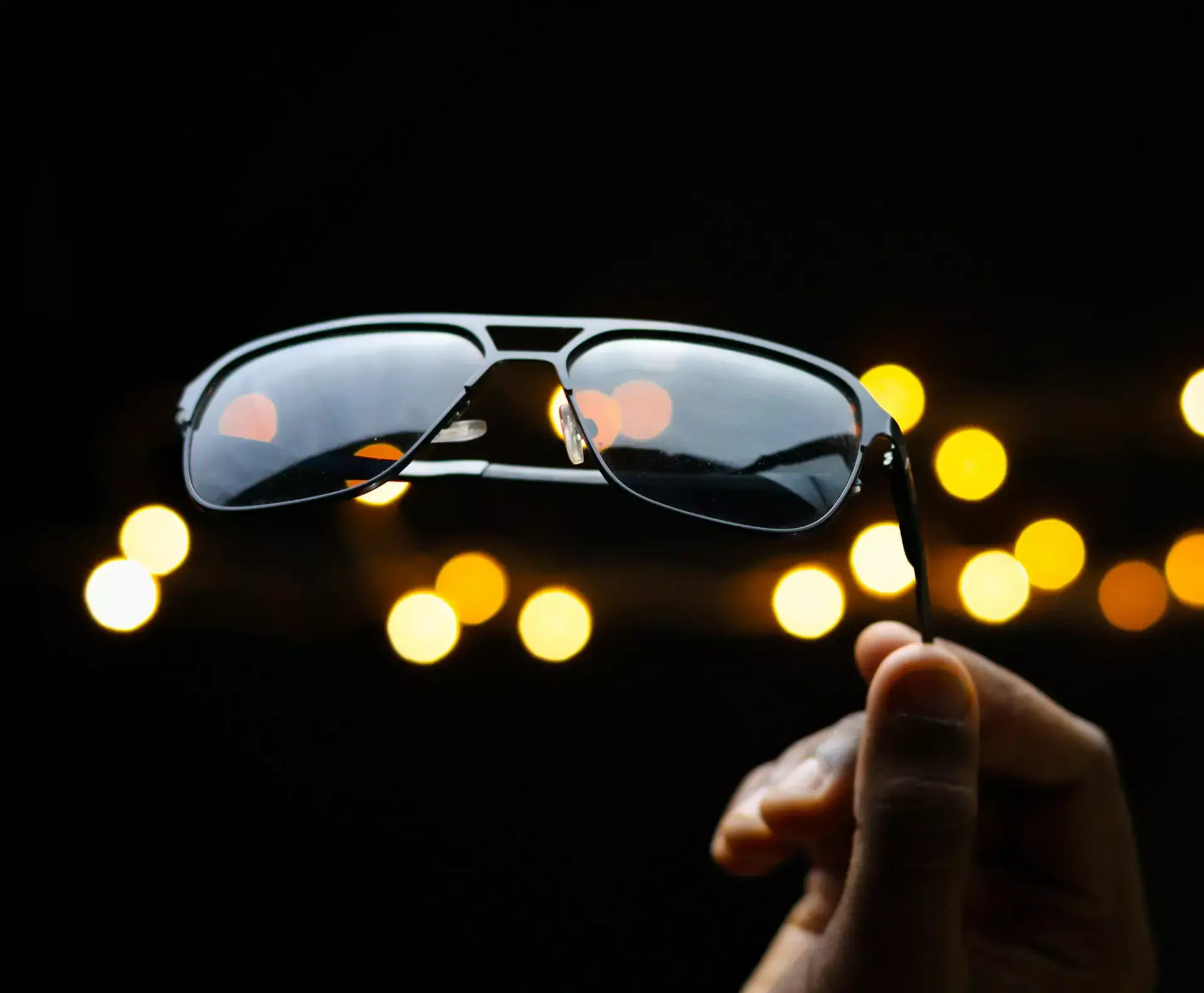
If there was one accessory that is associated with California, it may very well be the sunglasses. While trends in sunglasses may come and go, along with the other fashion fads, one thing that won’t change is the fact that sunglasses are crucial for your eyes and eye health. But what set is right for you? A local Bella Vista CA optometrist delves into some of the options below.
Why Are Sunglasses Important?
Sunlight is beneficial for us in many ways: it’s our main source of Vitamin D, which is required for metabolizing calcium. It’s also important for our moods, and helps with sleep regulation. However, it’s not all that great for our eyes.
What Is Ultraviolet Light?
Ultraviolet light is technically electromagnetic radiation. It cannot be seen by the naked eye, because it has an extremely short wavelength.
There are actually three kinds of UV light, which are measured by wavelength.
- UVA: 315 to 400 nanometers
- UVB: 280 to 315 nanometers
- UVC: 100 to 280 nanometers
While UVA is the weakest type of ultraviolet light, it has the capacity to cause the most damage to the skin. This is evidenced by wrinkles and sunspots people often develop after spending long periods of time outdoors. UVB light is a bit more powerful: this is the type of light that is associated with most types of skin cancers. UVC is the strongest type of ultraviolet, but poses the least risk, because the ozone layer blocks most of it. UVC is also given off by certain devices, such as sanitizing bulbs and welding torches.
Why Is UV Light Bad For My Eyes?
Ultraviolet light has the capacity to seriously damage your eyes. This is because it penetrates the tissue of the eye easily.
How Do Sunglasses Work?
Sunglasses may not seem like a marvel of modern science, but in a way, that’s exactly what they are. Sunglass lenses are coated with a special coating. This blocks UV rays, and also stops reflected light.
Different features have different functions. Polarized lenses fight glare, while certain tints may be beneficial for night driving.
How Do I Choose A Pair Of Sunglasses?
We all know that personal style figures heavily into this choice. However, aside from the aesthetics, you want to be looking at function and protection.
Here are a few things to consider:
- Material: Sunglass lenses can be made from many different materials, including polycarbonate and plastic.
- UV Protection: Sunglasses are considered medical devices. Therefore, manufacturers are required by the FDA to clearly state certain key information about the lenses. Sunglasses must also meet standards for things like quality, labeling, and shatter resistance. Regardless of what the sunglasses are made of, the retailer must state the percentage of UV protection. As a general rule of thumb, the most important thing is to choose lenses that have at least 99 percent UVA/UVB protection. The sunglasses should also have a UV400 rating.
- Fit: Style shouldn’t be the only thing you think of when choosing frames. You’ll want a pair that will stay put, and will block most of the light coming in not just from the front, but from the top, side, and bottom of the frames.
- Use. You’ll also want to think about what you will be doing outside. If you’re going to be skateboarding or rollerblading, you’ll want something that is made more for athletes, such as goggle-style glasses.
Do I Need To Get Sunglasses That Match My Face Shape?
There’s no shortage of style infographics and guides when it comes to glasses shapes. Most rely on general face shape to suggest the ideal lens. These typically group the various face shapes into a few categories, such as heart shaped, square, round, and triangular, with tips for each. Those can be helpful, but at the end of the day, your own taste and style are really what matter the most. One thing you can try: find a celebrity with a similar style and/or face shape, and see what they are wearing.
Will My Contact Lenses Protect My Eyes?
Some contacts will provide some protection from UV light. However, unless they specifically state that, it’s best to assume they aren’t going to do much as far as offering protection. It’s best to continue to wear sunglasses, even when you have contacts in. Ask your Happy Valley, CA optometrist for more information.
Are Cheap Sunglasses Bad?
Not necessarily. Whether you’re buying designer shades or picking up a pair at a gas station on the way to the beach, it’s the UVA/UVB protection you want to look at, rather than the brand name. The designer ones may look a lot better, and will likely have much better quality overall. That said, you may want to be wary of super-cheap glasses: you do want to be sure the label information is accurate. That may not be the case with a knockoff brand.
What Eye Problems Are Linked To UV Light Exposure?
UV exposure has been linked to many different eye issues. Unfortunately, damage caused by UV rays is often permanent, though of course every eye condition has its own parameters.
- Pinguecula: A fat/protein deposit in the white of the eye, which can cause irritation and affect tear production and distribution.
- Pterygium: An abnormal growth that covers the iris and pupil.
- Cataract: A cataract is a clouding of the eye’s lens, which is caused by protein deposits. They can interfere with your vision, causing blurring, halos, and other issues.
- Snow Blindness: This is caused by high levels of UV radiation exposure in a short time. Some effects may be permanent.
- Cancer: Basal and squamous cell carcinomas have both been linked to UV exposure.
Some research indicates that UV exposure may also increase the risk of age-related macular degeneration, but there is more information needed. Ask your eye doctor for more information about sunglasses and UV exposure.
How Do I Protect My Eyes From UV Light?
Your best bet is to make a habit of wearing sunglasses any and every time you step outside. You can also add extra protection (and protect your face) by wearing a wide-brimmed hat. Be extra careful during the brightest hours of the day, which are usually going to be between 10 and 4. It’s also not a bad idea to keep an eye on the UV index. Keep in mind that the index may be high even when it’s overcast.
What Are The Benefits Of Prescription Sunglasses?
If you need vision correction, you may want to consider prescription glasses. These will offer the UV protection that you need, but may also provide other features. For instance, prescription glasses may do better with fighting glare than standard ones. You will also be able to order custom frames and lenses, ensuring that you get a pair that fits your both fashion style and your lifestyle.
Another option to look into is transitional lenses. This is a good option for glasses-wearers who go in and out of doors a lot, as they won’t have to be constantly changing their eye wear.
Of course, no matter what type of sunglasses you want to wear, you’ll want to talk to your eye doctor, and get some specific information.
Make An Appointment At Our Bella Vista CA Eye Care Center
Are you looking for a great pair of prescription sunglasses? Are you in need of contacts, or perhaps transitional lenses? Please do not hesitate to contact us here at your Bella Vista CA eye care center. We’re here to help!

Workplace Eye Wellness Month: Protecting Your Eyes On The Job
Save Your Vision Month